Restoration Archive

Documentation of clarity restoration processes using non-chemical methods to remove cloudiness and mineral buildup from glass and porcelain surfaces.

Restoration process documentation

Understanding Cloudiness

Cloudiness formation in glass surfaces

Mineral Buildup Formation

Cloudiness in glass and porcelain surfaces typically results from mineral deposits left behind when water evaporates. Calcium carbonate and magnesium compounds accumulate over time, creating a hazy appearance that reduces optical clarity.

The rate of buildup depends on water hardness, frequency of use, and drying methods. Hard water areas experience more rapid accumulation of these deposits.

Surface Impact

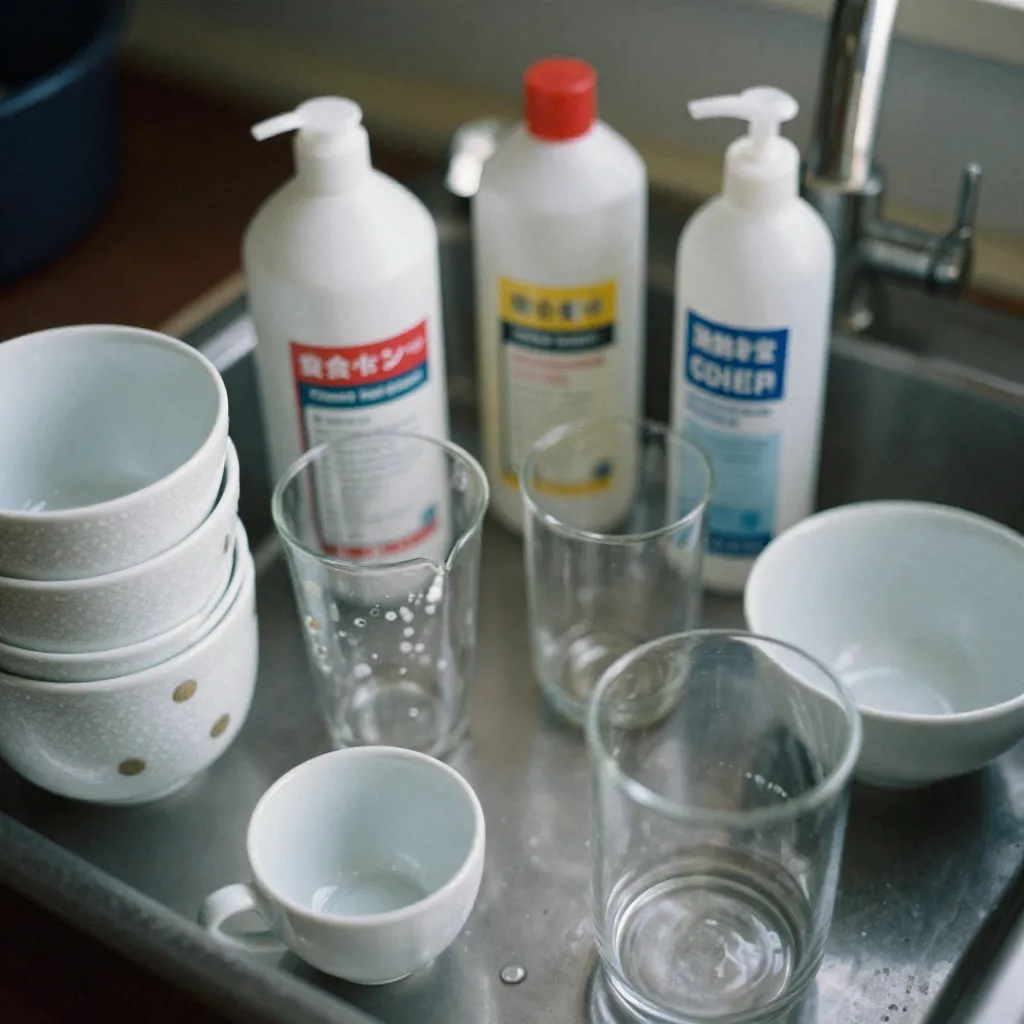
Mineral deposits create microscopic irregularities on surfaces that scatter light, reducing transparency. In severe cases, these deposits can become etched into the material, making removal more challenging.

Early intervention prevents permanent surface changes. Regular maintenance removes deposits before they become firmly attached to the material structure.

Non-Chemical Restoration Methods

Mechanical Removal

Gentle mechanical methods can effectively remove mineral deposits without chemical intervention. Soft abrasives and careful application prevent surface damage while restoring clarity.

The key is using materials softer than the glass or porcelain surface to avoid scratching. Appropriate technique ensures removal of deposits without compromising material integrity.

Temperature-Assisted Cleaning

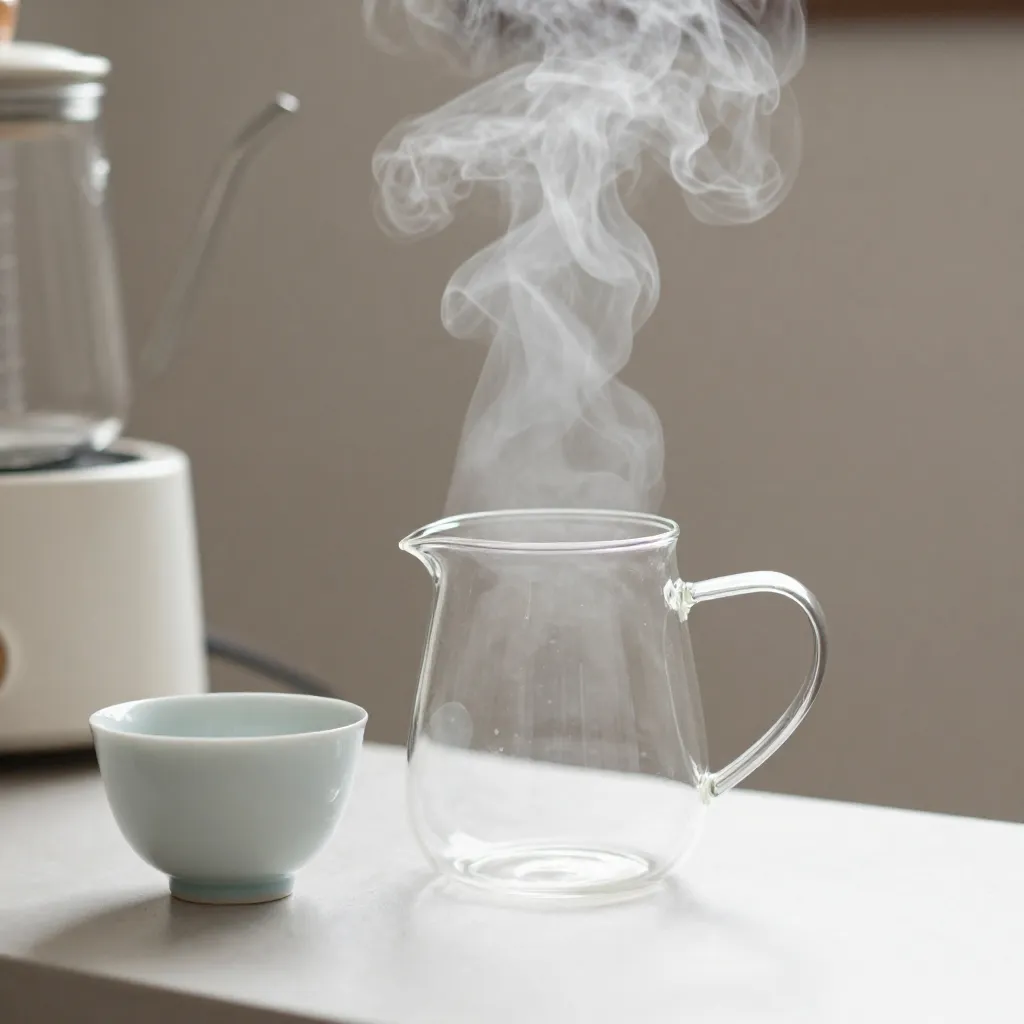
Controlled temperature changes can help loosen mineral deposits. Gradual heating followed by careful cooling creates expansion and contraction that helps break the bond between deposits and surfaces.

This method requires careful temperature management to avoid thermal shock while achieving the desired loosening effect on mineral buildup.

pH-Balanced Solutions

Mild, pH-balanced solutions can assist in deposit removal without aggressive chemical action. These solutions work by gently dissolving mineral compounds without affecting the underlying material.

The concentration and contact time are carefully controlled to ensure effective cleaning while maintaining material safety.

Visual Documentation

Before restoration state
During restoration process
After restoration clarity

Restoration Process

Initial assessment and preparation

Assessment Phase

Each piece requires individual assessment to determine the extent of cloudiness and the most appropriate restoration approach. Material type, deposit severity, and surface condition all inform method selection.

Restoration technique application

Application Phase

Selected methods are applied with careful attention to technique and timing. Progress is monitored throughout to ensure effective deposit removal without material compromise.

Final clarity verification

Verification and Maintenance

After restoration, clarity is verified through visual inspection and light transmission testing. Maintenance recommendations are provided to prevent future buildup.

Prevention Strategies

Water Quality Management

Using filtered or softened water reduces mineral content that contributes to buildup. Understanding local water hardness helps inform care frequency and method selection.

Drying Techniques

Proper drying methods prevent water spots and mineral accumulation. Air drying in well-ventilated areas or using lint-free materials reduces deposit formation.

We use cookies and similar technologies to enhance your browsing experience and analyze site traffic. By continuing to use this site, you consent to our use of cookies. Learn more