Material Science Laboratory

Understanding molecular structures and material properties to inform proper care methods for porcelain and glass brewing equipment.

Scientific analysis of material composition

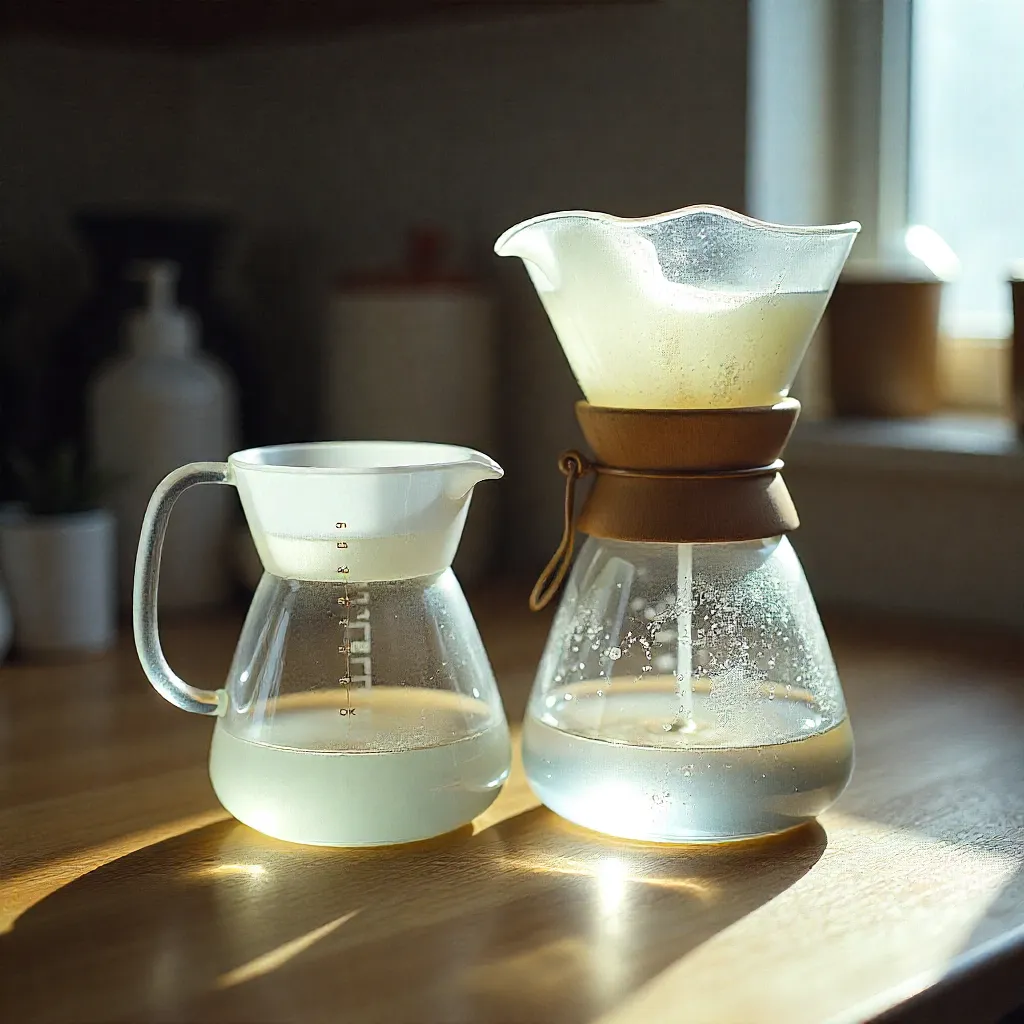
Borosilicate Glass Structure

Borosilicate glass structure analysis

Molecular Composition

Borosilicate glass contains approximately 80% silica, 13% boric oxide, 4% sodium oxide, and 2-3% aluminum oxide. This composition creates a three-dimensional network structure with strong covalent bonds.

The addition of boric oxide reduces the coefficient of thermal expansion, making borosilicate glass more resistant to thermal shock compared to standard soda-lime glass.

Thermal Properties

The low thermal expansion coefficient of borosilicate glass (approximately 3.3 × 10⁻⁶/°C) means it expands and contracts less with temperature changes. This property explains why gradual temperature transitions are essential during cleaning.

Rapid temperature changes can still cause stress fractures, even in borosilicate glass, if the temperature differential exceeds approximately 165°C.
Bone China Composition

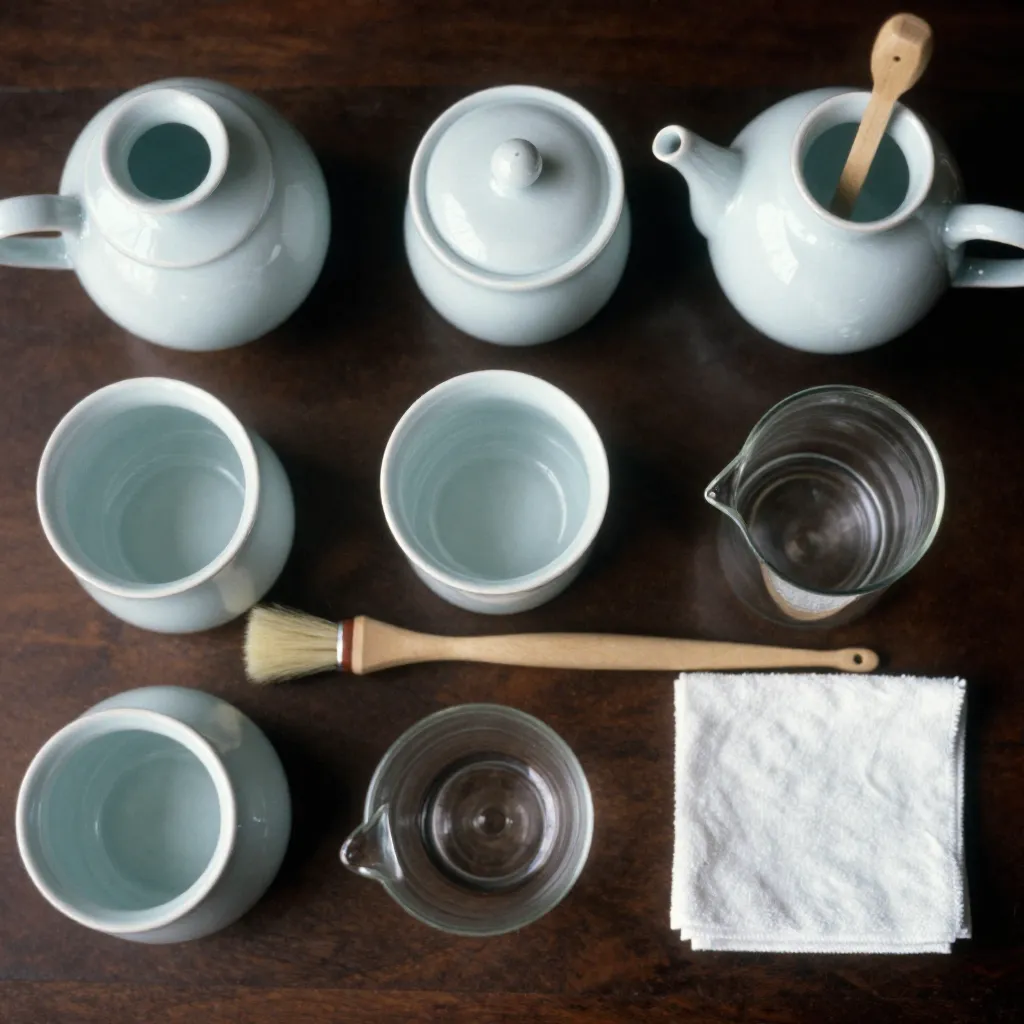
Bone china molecular structure

Crystalline Structure

Bone china consists of approximately 50% bone ash (calcium phosphate), 25% kaolin clay, and 25% feldspar. The bone ash provides translucency and strength through its crystalline structure.

During firing, the bone ash transforms into hydroxyapatite crystals, which create a fine-grained, dense structure that gives bone china its characteristic properties.

Surface Characteristics

The glazed surface of bone china creates a vitreous layer that protects the underlying body. This glaze is typically composed of feldspar, quartz, and kaolin, fired to create a glass-like coating.

Maintaining glaze integrity is crucial, as cracks or chips in the glaze can allow moisture penetration, potentially causing staining or structural weakening over time.

Comparative Material Properties

Thermal Expansion Differences

Borosilicate glass has a thermal expansion coefficient of approximately 3.3 × 10⁻⁶/°C, while bone china exhibits a coefficient around 6-8 × 10⁻⁶/°C. This difference means bone china is more susceptible to thermal shock.

These properties directly inform care protocols: both materials require gradual temperature transitions, but bone china demands even greater caution during cleaning and use.

Chemical Reactivity

Borosilicate glass is highly resistant to chemical attack, making it suitable for use with various cleaning solutions. The silica network structure provides inherent chemical stability.

Bone china's glaze provides chemical resistance, but the underlying body can be affected by acidic solutions if the glaze is compromised. This emphasizes the importance of maintaining glaze integrity.

Surface Energy and Cleaning

Surface energy affects how materials interact with cleaning agents and water. Borosilicate glass has relatively low surface energy, making it less prone to water spotting when properly dried.

Bone china's glazed surface also exhibits low surface energy, but unglazed areas or damaged glaze can have higher surface energy, leading to increased susceptibility to staining.

Practical Care Implications

Practical application of material science

Temperature Management

Understanding thermal expansion properties explains why sudden temperature changes cause damage. Gradual transitions allow materials to expand and contract uniformly, preventing stress fractures.

Material care based on composition

Cleaning Method Selection

Material composition determines appropriate cleaning agents. Borosilicate glass can tolerate a wider range of pH levels, while bone china requires more neutral solutions to protect glaze integrity.

Explore Further

Continue learning about restoration techniques and view our curated collection of properly maintained pieces.

Restoration Archive Curated Gallery

We use cookies and similar technologies to enhance your browsing experience and analyze site traffic. By continuing to use this site, you consent to our use of cookies. Learn more